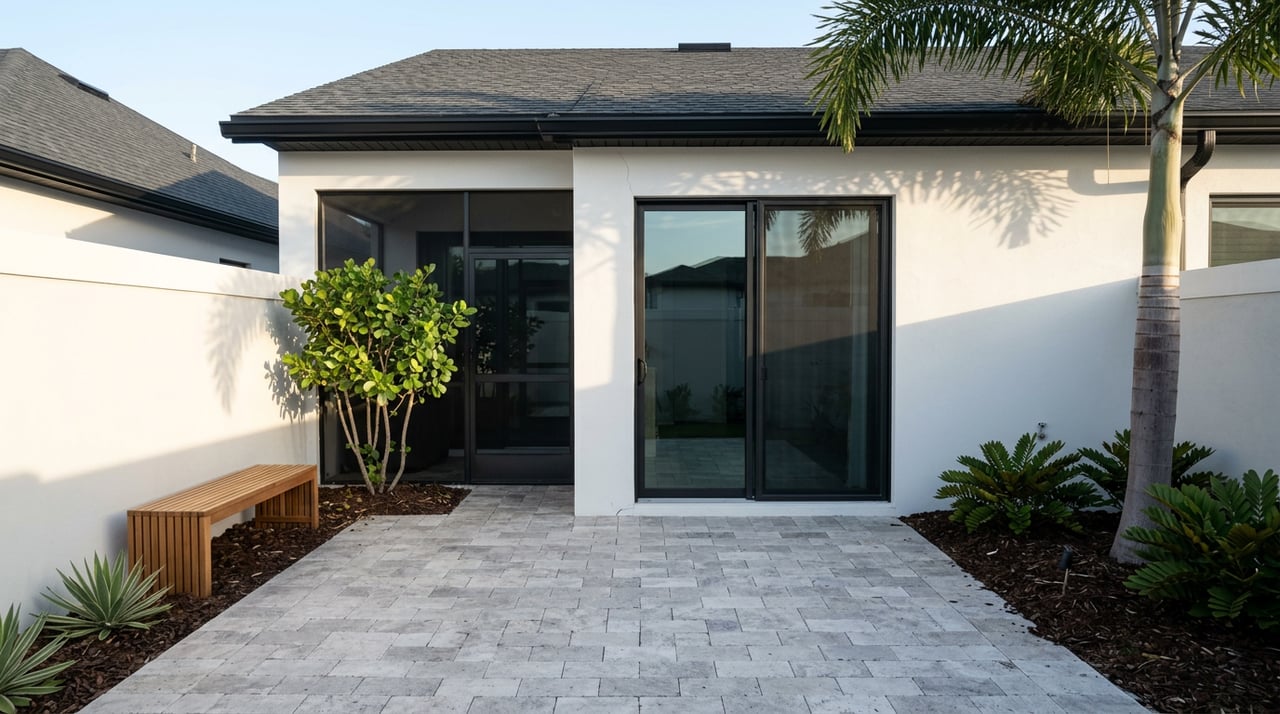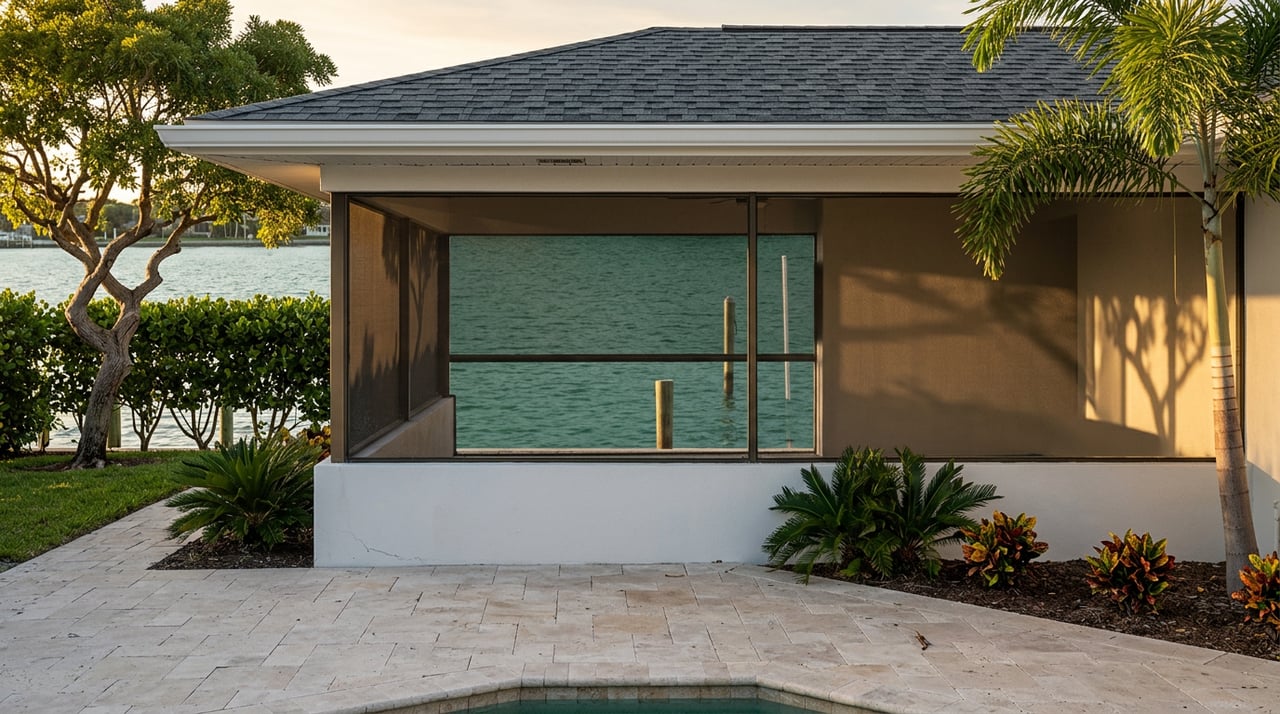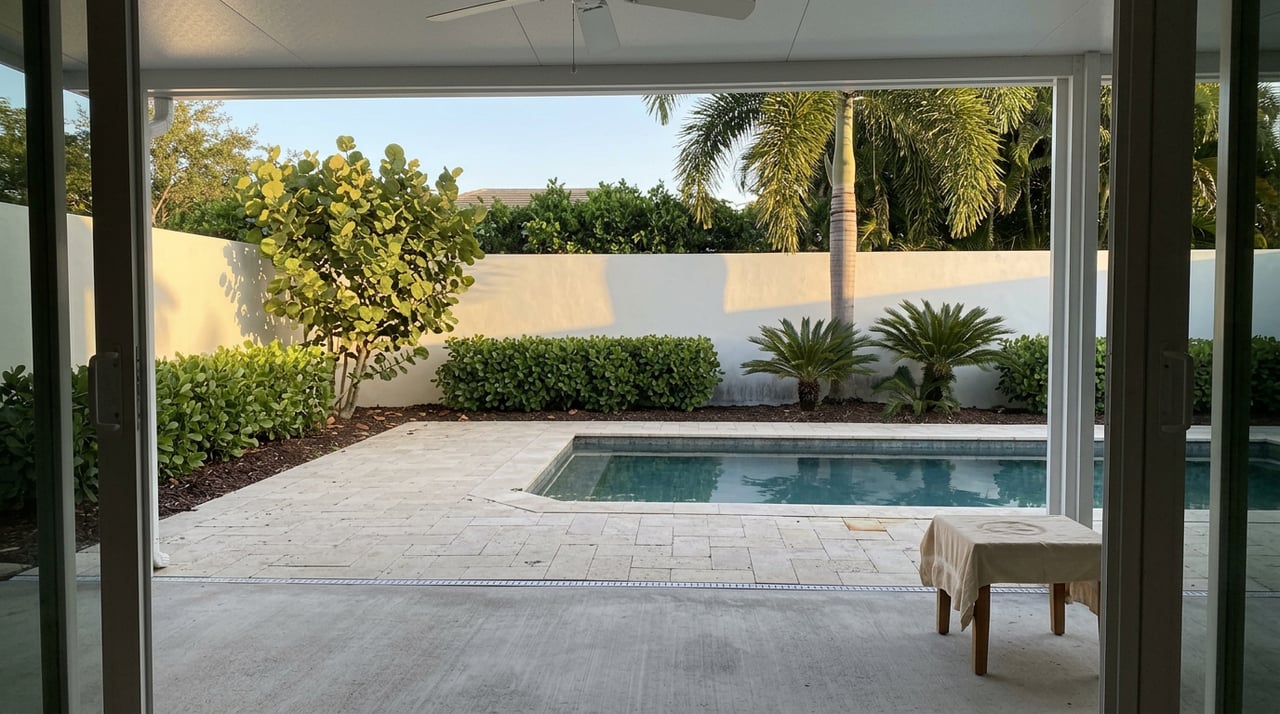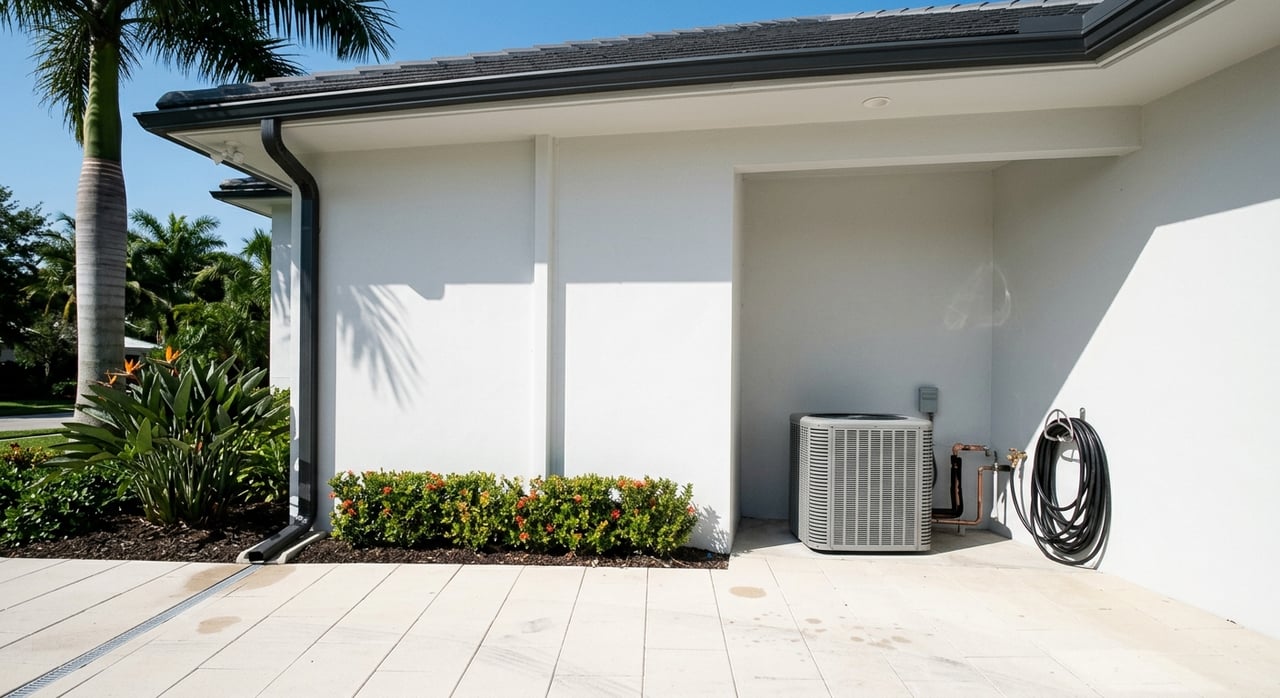
If you own, or plan to buy, a seasonal home in Boca Raton, you cannot treat it like a house you simply lock and leave. South Florida’s heat, humidity, storm exposure, and vacancy-related risks can create costly problems fast, especially when no one is nearby to catch them early. The good news is that with the right plan, you can protect your property, reduce stress, and make seasonal ownership feel far more manageable. Let’s dive in.
Why Boca Raton homes need a seasonal plan
In Boca Raton, seasonal ownership comes with a specific set of responsibilities. According to UF/IFAS guidance for seasonal homeowners, Florida’s climate can accelerate mildew, corrosion, rust, bacteria, and pest activity, and unoccupied homes are often more vulnerable to storm-related damage.
That means your checklist should go beyond locking the doors and pausing the mail. If your home sits empty for part of the year, you need a plan for moisture control, routine oversight, exterior upkeep, and storm readiness.
For many buyers, this is especially important when comparing a condo, townhouse, or single-family home. Some communities may handle parts of the exterior maintenance, while others place more responsibility on you as the owner.
Focus on humidity and airflow
One of the biggest risks in a vacant South Florida home is excess humidity. UF/IFAS recommends keeping the air conditioner running during summer absences and setting it no higher than 84°F so interior moisture does not rise into a mold-friendly range.
Before you leave, it also helps to service the central air system and calibrate the humidistat. Those steps may sound minor, but they play a major role in protecting finishes, furniture, electronics, and indoor air quality.
You should also make sure windows and doors are properly weather-sealed. Small gaps can let in warm, damp air and make your cooling system work harder while you are away.
Complete a smart pre-departure checklist
A seasonal home benefits from a consistent closing routine each time you leave. The UF/IFAS seasonal-home checklist offers practical guidance that fits Boca Raton well.
Before heading out of town, consider these essentials:
- Service the HVAC system
- Calibrate the humidistat
- Clean the home thoroughly
- Unplug unused appliances and electronics
- Turn off the water supply to the clothes washer
- Review your homeowner’s insurance
- Update your home inventory
- Arrange landscaping and pool maintenance
- Confirm windows and doors are sealed
- Ask a trusted local contact to check on the property
This kind of system can help you prevent small issues from becoming expensive repairs. It also gives you more peace of mind when you are managing the home from another state.
Prepare early for hurricane season
Hurricane planning is part of responsible homeownership in Boca Raton, whether you live here full time or only seasonally. The Atlantic hurricane season runs from June 1 through November 30, and local preparation should start well before the first storm watch.
The City of Boca Raton’s hurricane information page encourages residents to stay informed about evacuation guidance, shelter information, and storm updates. The city also strongly encourages major tree cutting or removal before April 30, which is an important local deadline to keep on your calendar.
Before storm season, it is wise to:
- Clear loose yard items
- Trim landscaping as needed
- Clean roof debris and gutters
- Check shingles and flashing
- Review shutters or storm protection plans
- Know your evacuation zone and route
- Sign up for local alert systems
If you own a seasonal home, timing matters. You want these tasks handled before weather threats begin, not while you are trying to coordinate them remotely.
Use local alerts and remote monitoring
A vacant home should still have active oversight. UF/IFAS recommends periodic property checks, leaving contact information with neighbors and associations, and using light timers to help simulate occupancy.
Modern monitoring can also help. UF/IFAS notes that some security systems allow remote visual and audio access, which can make it easier to spot issues early and confirm that the property appears secure.
In Boca Raton, city and county alerts are another useful layer. You can sign up for AlertBoca and review local storm guidance through the city, while Palm Beach County also uses AlertPBC for public safety notifications.
In practical terms, seasonal ownership often depends on coordination. You may need a reliable system for HVAC oversight, pool service, landscaping, security, and someone local who can verify that the home still looks occupied and problem-free.
Don’t assume flood coverage is included
Flood risk should be part of your planning, even if the property is not directly on the beach. FEMA states that standard homeowners insurance does not cover flooding, so flood insurance is a separate coverage decision and may also be required by a lender in some cases.
For buyers in Boca Raton, that makes flood-zone review, elevation awareness, and insurance planning an important part of due diligence. It is better to understand those costs and risks before you buy than to make assumptions later.
This is one area where a careful purchase strategy matters. If you are comparing homes, insurance exposure can affect both your budget and your long-term ownership experience.
Understand homestead rules for seasonal homes
A seasonal home is not usually treated the same way as a primary residence for tax purposes. The Palm Beach County Property Appraiser explains that homestead exemption applies to a permanent or primary residence.
For most second-home owners in Boca Raton, that means a seasonal property generally should not be treated like a full-time homesteaded home. If you are buying a second residence, it is important to understand that distinction early in the process.
That clarity can help you estimate ownership costs more accurately. It also helps you avoid confusion when comparing one property type or use case to another.
Know the return-home storm checklist
If a storm impacts the area while you are away, your first step is patience. Boca Raton advises property owners to wait for the all-clear before returning and to stay alert for hazards such as downed power lines, broken glass, debris, and floodwater.
The city’s post-storm guidance also recommends documenting damage with photos before starting repairs. In the immediate aftermath of a disaster, Palm Beach County residents can use PBC DART to report damage to a home or business.
Having a simple re-entry checklist can make this easier:
- Wait for official guidance before returning
- Look for exterior hazards first
- Photograph damage before cleanup or repair
- Check for water intrusion and broken windows
- Inspect the roofline, gutters, and yard
- Confirm utilities and systems are operating safely
A measured return process can protect both your safety and your insurance documentation.
Review rental rules before you buy
If you plan to use your Boca Raton property as a seasonal rental, community rules matter. Florida law places limits on how local governments regulate vacation rentals, and state statute says local ordinances may not prohibit vacation rentals or regulate their duration or frequency, though local governments may still inspect for code compliance.
That said, association documents can still be very important. Florida statutes covering condominiums and community restrictions make clear that rental limitations may depend on the governing documents, the type of association, and when a restriction was adopted. For many buyers, the practical lesson is to review the declaration, bylaws, rules, and amendment history carefully before closing.
If a property will be rented on a short-term basis, the state also has a licensing role. The Florida Department of Business and Professional Regulation application materials outline licensing for qualifying vacation rentals.
For condo and townhouse buyers in particular, this step is critical. A building or community may be more restrictive than you expect, and those details can shape whether the property fits your plans.
If you are weighing a seasonal purchase in Boca Raton, the right guidance goes beyond showing homes. You also need help evaluating ownership costs, association rules, insurance considerations, and the practical realities of managing a property from afar. That is where local, detail-oriented advice can make a real difference. If you want a thoughtful strategy for buying or selling in South Palm Beach County, connect with Michelle Yales for a personalized consultation.
FAQs
What should seasonal homeowners do before leaving a Boca Raton home vacant?
- Seasonal homeowners in Boca Raton should service the HVAC system, keep the air conditioner set no higher than 84°F during summer absences, seal windows and doors, arrange pool and landscaping care, review insurance, and have a trusted local contact check the property periodically.
Does a Boca Raton seasonal home need separate flood insurance?
- Standard homeowners insurance does not cover flooding, according to FEMA, so flood insurance should be reviewed as a separate coverage decision when you own or buy a seasonal home in Boca Raton.
Can a Boca Raton condo or HOA limit seasonal rentals?
- Yes, a Boca Raton condo or homeowners association may limit rentals through its governing documents, so buyers should review the declaration, bylaws, rules, and amendment history before purchasing.
Is a Boca Raton seasonal home eligible for homestead exemption?
- Usually no, because Palm Beach County states that homestead exemption applies to a permanent or primary residence rather than a second or seasonal home.
What matters most before hurricane season in Boca Raton?
- Boca Raton homeowners should complete tree work before April 30 when possible, clear loose yard items, sign up for local alerts, review evacuation routes, and prepare the property well before hurricane season begins on June 1.