Imagine starting your day with a barefoot beach walk, grabbing coffee on Atlantic Avenue, and ending with live music and dinner under the palms — all without moving your car. If you’re exploring a move to Downtown Delray from out of state, it helps to picture daily life on foot and understand how buildings, HOAs, and local rules shape your options. This guide shows you what walkable living looks like, the home types you’ll find, the practical costs and rules to expect, and how to choose the right block for your lifestyle. Let’s dive in.
What walkable life looks like
Atlantic Avenue as your main street
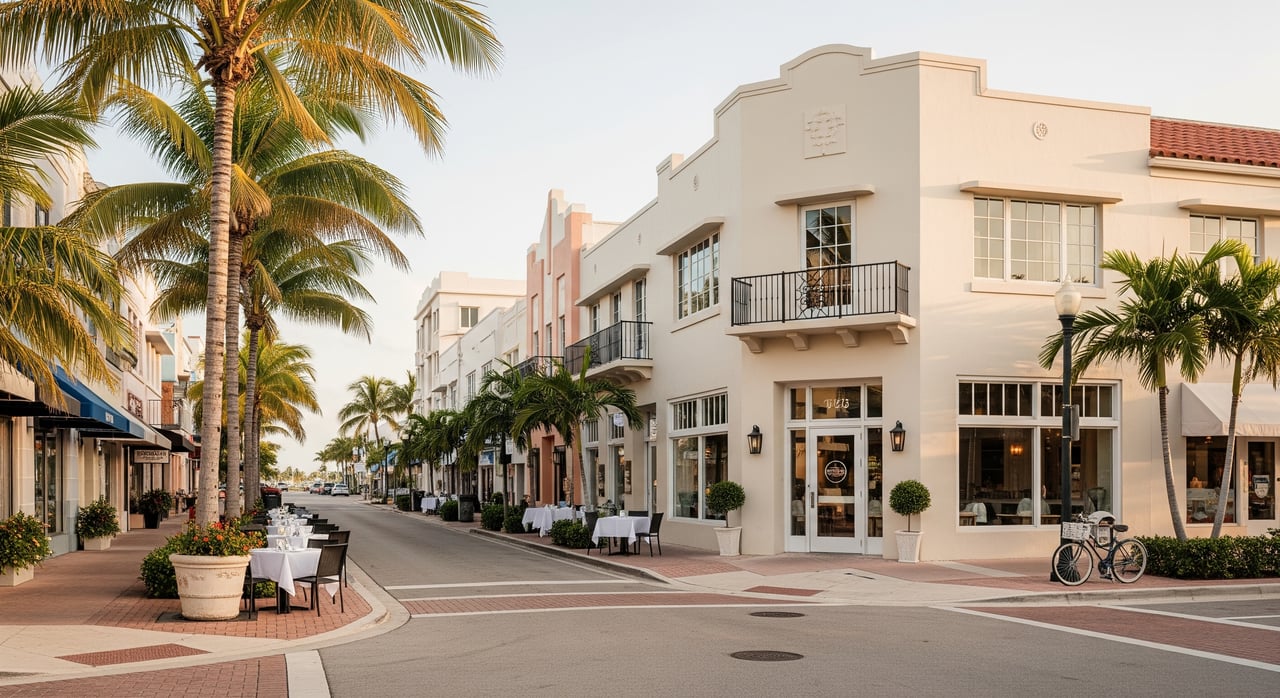
Atlantic Avenue is the downtown spine. You’ll find a continuous stretch of restaurants, cafes, boutiques, and nightlife that hums day and night. Sidewalks are wide, outdoor seating is common, and seasonal events bring extra energy to the corridor. The pedestrian scene is lively, especially on weekends and during high season.
A short walk to the beach
From many points downtown, you can reach Delray Municipal Beach in roughly 5 to 15 minutes on foot. Beach access points and boardwalks start just a few blocks east of the core. That proximity is a major reason walkable buyers choose the urban grid over farther inland neighborhoods.
Arts and culture in your orbit
The Pineapple Grove Arts District and Old School Square sit within the downtown walk-shed. You can catch concerts, gallery nights, and community events without driving. Check programming at Old School Square to get a feel for cultural life in the heart of town.
Daily errands without the car
Coffee, pharmacies, boutique markets and services cluster in and around the grid. You can handle most daily needs on foot, which is helpful if you plan to live car-light. For a snapshot of current walkability, see the current walkability scores for Delray Beach.
Streets made for walking
Sidewalks, pedestrian lighting, benches, mid-block crossings, and seasonal street closures for festivals make walking practical and fun. The Delray Beach Downtown Development Authority highlights local events, street improvements, and micro-districts that shape the day-to-day experience.
Nightlife and crowds
Downtown is vibrant after dark. Expect higher pedestrian density on weekends, during festivals, and in winter season. If you prefer quieter nights, consider streets just off Atlantic or a few blocks inland.
Primary amenities within a few blocks
- Dining and retail on Atlantic Avenue
- Arts and events in Pineapple Grove and Old School Square
- Delray Municipal Beach access points east of downtown
- Small parks, dog-friendly spaces, and pocket plazas
- Fitness and wellness studios in and around the grid
- Municipal lots and garages for guests and extra cars; view downtown parking maps
- City resources and services from the City of Delray Beach
Parks and pet-friendly spots
Pocket plazas and small parks dot the area. Dog-friendly patios and short strolls to green space are part of the everyday rhythm for many residents.
Getting around without a car
Local bus routes, bike lanes in select corridors, and plenty of bike parking help you move around the core. The grid is compact, so most errands happen within a short walk.
Parking when you need it
Many downtown buildings include assigned or covered parking. Older buildings may offer limited or unassigned spaces and rely on nearby municipal lots. For visitors and overflow, the DDA maintains parking guidance and event updates.
What homes look like downtown
Low-rise condos and walk-ups
Two- to four-story buildings are common, especially in earlier infill areas and smaller associations. Expect simpler amenity sets and a more intimate scale.
Mid-rise condos
Five- to twelve-story buildings introduce concierges, fitness rooms, pools, and secure entries. These strike a balance between location, services, and cost for many lifestyle buyers.
Luxury waterfront and high-end towers
You’ll find fewer towers directly on the water, but the ones that exist deliver premium finishes, views, and full-service amenities like valet and 24-hour security.
Townhomes and nearby cottages
Townhomes and small multifamily conversions appear on transitional blocks. Historic cottages and bungalows line older nearby streets for those who want a single-family feel within walking distance of the core.
Who each option fits
- Studios and 1-bed condos: second-home seekers and buyers who value location over square footage.
- 2+ bed condos and townhomes: couples or small households who want space without giving up walkability.
- Luxury units and penthouses: buyers who want views, privacy, and concierge-style services.
Amenities and HOA expectations
Typical amenity packages
- Basic or older low-rises: assigned or covered parking if available, a pool, laundry facilities, and limited storage.
- Mid-rises: secure entry, some with concierge or doorman, a fitness center, pool or deck, bike storage, and resident lounges.
- Luxury buildings: 24-hour security, valet, on-site management, fitness spa, multiple pools, rooftop terraces, private storage, and elevator access to parking; boat slips in some waterfront communities.
How HOA fees usually work
HOA fees vary with building age, services, and whether utilities are bundled. In general:
- Smaller or older buildings may have lower fees and fewer services. Fees often cover exterior maintenance and common area insurance.
- Mid-range buildings commonly include building insurance, common-area maintenance, landscaping, trash, reserves, and some utilities like water and sewer.
- Luxury buildings run higher due to staffing, security, valet, bulk cable/Internet packages, and larger reserves.
What to check in HOA documents
Review the reserve study, recent or expected special assessments, and the insurance structure. Confirm whether the master policy is “Bare Walls In” or “All In,” and what you must carry for your unit (typically an HO-6 policy, with flood if applicable). Verify rental caps, guest and short-term rental rules, and any parking allocation details.
Pricing bands and value drivers
Downtown Delray is a premium submarket within the larger West Palm Beach–Boca Raton–Delray Beach area due to its walkability and beach access. Prices typically run higher than citywide medians and nearby suburban neighborhoods. Value varies widely by block and building:
- Ocean block vs. a few blocks inland
- Age and condition of the building
- Views and exposure (ocean, canal, courtyard, or street)
- Amenity and service level, including staffing
- HOA fees and reserves
Seasonality also matters. Inventory often rises in late fall and winter when seasonal buyers are active. Price ranges are illustrative; consult the MLS and a local advisor for current comps and trends.
Practical buying considerations
Flood, storm, and insurance
Much of downtown sits at low elevation, and some structures fall in FEMA flood zones where lenders may require flood insurance. Premiums for wind and flood have risen across coastal Florida, which can impact both HOA budgets and your personal coverage. Review elevation certificates and verify a building’s mapped zone using the FEMA Flood Map Service Center. For long-term resilience context, explore the NOAA Sea Level Rise Viewer.
Parking, traffic, and daily logistics
High season and festivals increase traffic and pedestrian activity. If you value easy access, a deeded or reserved parking space is a meaningful plus. For guest logistics, check municipal lots and garages via the DDA’s parking resources.
Rentals and short-term rules
Delray Beach has municipal regulations for short-term rentals and licensing, and many condominium associations add their own restrictions. Before you buy with rental income in mind, confirm minimum lease terms, any rental caps, and transient occupancy rules with the association and the City of Delray Beach.
Safety and livability
Downtown is a busy commercial district, and activity levels differ from suburban areas. Review recent data, walk the area at different times, and speak with neighbors and local authorities to understand current context block by block.
Taxes, fees, and closing items
Property taxes are set by Palm Beach County, with homestead and non-homestead rates affecting carrying costs. Research parcel histories and valuations through the Palm Beach County Property Appraiser. Plan for HOA estoppel and transfer fees, and review association financials for any upcoming reserve or special assessments before you finalize an offer.
A day in walkable Downtown Delray
- Morning: Beach walk, a quick swim, and coffee on Atlantic Avenue.
- Midday: Work from home, then pick up essentials at a neighborhood market.
- Afternoon: Gallery browsing in Pineapple Grove and a class or event at Old School Square.
- Evening: Dinner with friends on Atlantic and a relaxed stroll home under the lights.
How to choose the right block
Questions to ask yourself
- How close do you want to be to the beach vs. nightlife noise?
- Do you need assigned parking or EV-ready garage access?
- Which amenities matter most: concierge, gym, pool, storage, or boat access?
- Are you planning to rent seasonally or short-term, and do building rules allow it?
- Is the building’s HOA well-reserved, with a clear plan for maintenance and insurance?
- What is the building’s flood zone and your estimated insurance cost?
Quick buyer checklist
- Verify flood zone and elevation certificate; review insurance quotes.
- Read HOA documents for reserves, assessments, rental rules, and parking.
- Compare HOA inclusions: utilities, cable/Internet, security, and staffing.
- Walk the area at morning, midday, and late evening.
- Check seasonal parking and event calendars via the DDA.
- Confirm tax impacts with the Property Appraiser and your advisor.
Work with a local advisor
Walkable living in Downtown Delray is about fit: the right block, the right building, and clear expectations around HOAs, insurance, and daily life. If you want help narrowing options, previewing off-market opportunities, and understanding true costs, reach out to Michelle Yales for a tailored consultation.
FAQs
What makes Downtown Delray walkable compared to other nearby areas?
- A compact grid centered on Atlantic Avenue puts dining, arts, and beach access within a short walk, supported by sidewalks, crossings, lighting, and frequent programmed events.
How close are most condos to Delray Municipal Beach?
- Many downtown buildings sit within about a 5 to 15 minute walk to beach access points, depending on the block and route.
What HOA costs and inclusions should I expect in downtown condos?
- Fees vary by building age and services, commonly covering insurance for common areas, maintenance, landscaping, trash, reserves, and sometimes water, sewer, and bulk cable/Internet in higher-service buildings.
Are short-term rentals allowed in Downtown Delray condos?
- Rules vary; the city licenses and regulates short-term rentals, and many HOAs set minimum lease terms or caps, so you must confirm both municipal rules and association documents before buying.
How does flood risk affect buying in Downtown Delray?
- Lenders may require flood insurance where a structure lies in a FEMA flood zone, and coastal exposure can impact premiums; verify the mapped zone and elevation before you write an offer.
Is resident parking difficult downtown?
- Many buildings include assigned or covered spaces, but some older properties have limited parking; guests and overflow typically use municipal lots and garages shown on DDA parking maps.