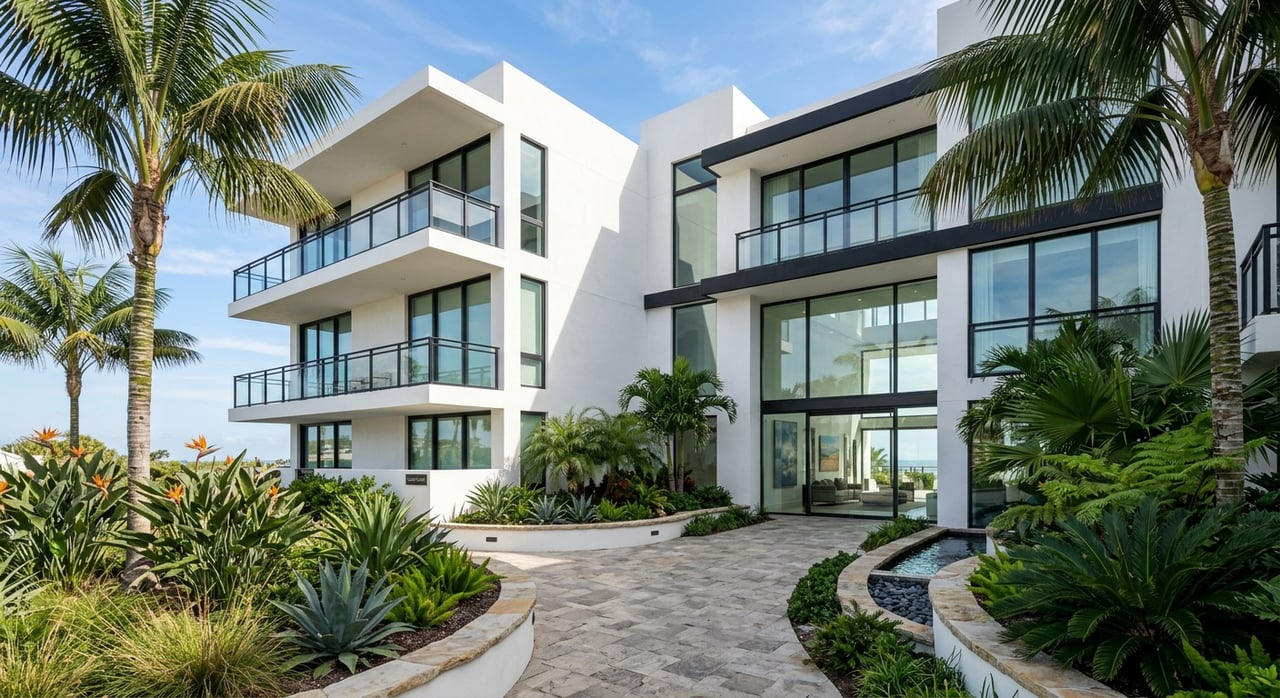
A Deerfield Beach vacation condo can look like an easy win: beach access, seasonal demand, and a low-maintenance way to enjoy South Florida. But before you fall for the view, it helps to slow down and look at the numbers, the building, and the rules that will shape how you actually use the property. If you are thinking about buying in Deerfield Beach, this guide will help you focus on the questions that matter most. Let’s dive in.
Why Deerfield Beach Draws Condo Buyers
Deerfield Beach has strong appeal for second-home buyers and seasonal owners. The city highlights its Blue Wave award beach, the 920-foot International Fishing Pier, and a broad mix of parks, community centers, and recreation facilities.
The city also reports that the area attracts more than 4 million visitors each year, with the beachfront tourism district busiest from November through April and during holiday weekends. For you as a buyer, that seasonal activity matters because it can affect parking, elevators, common areas, and amenity use in beach-adjacent buildings.
Start With the Building, Not the View
In Deerfield Beach, the condo itself is only part of the decision. The building’s age, financial health, insurance setup, and rental restrictions can have just as much impact on your ownership experience as the location.
That is especially true if you plan to use the condo only part of the year. A property can seem attractive at first glance, but the carrying costs may feel very different once you factor in association fees, insurance, reserves, and possible assessments.
Review Florida Condo Disclosures Carefully
Florida gives resale condo buyers access to a detailed disclosure package. That package includes the declaration, articles of incorporation, bylaws and rules, the most recent annual financial statement and annual budget, and the FAQs document.
If applicable, the seller must also provide the inspector-prepared summary of the milestone inspection report, the association’s most recent structural integrity reserve study, or a statement that none has been completed, plus a turnover inspection report. These documents can tell you a great deal about the building’s condition and future costs.
Florida law also gives buyers a seven-business-day cancellation right after receiving the standard condo documents. There is also a separate review and cancellation framework when milestone, turnover, and reserve-study documents are part of the required disclosures.
Focus on the Rules That Affect Daily Use
Condo documents are not just legal paperwork. They often control how you can actually live in, visit, or rent out the property.
As you review the declaration, bylaws, and rules, pay close attention to restrictions involving:
- Rentals
- Guests
- Pets
- Parking and vehicles
- Noise
- Flooring
- Remodeling or improvement work
These details matter even more for a vacation condo, where your use may be part-time and your guests or renters may rotate in and out. A rule that seems minor now can become a major frustration later.
Ask for More Than the Standard Package
The standard disclosure set is important, but it should not be your only source of information. Florida association records may also include the current question-and-answer sheet, inspection reports, building permits, and other operational records.
You should also ask for meeting minutes, current financials, reserve information, and insurance pages. Those records can help you spot whether the association is planning major work, discussing repairs, or preparing for added costs that may not be obvious from the listing.
Check Milestone Inspection Status
If you are buying in an older or larger building, milestone inspection status deserves close attention. Florida requires a milestone inspection for condo and cooperative buildings that are three habitable stories or more when they reach 30 years of age, and every 10 years after that.
For you, this is not just a compliance issue. It is a practical way to understand whether the building has identified structural concerns, completed recommended work, or may face large repair costs ahead.
Understand the Reserve Study
Florida’s structural integrity reserve study, often called a SIRS, is another key document. It must identify major structural components, estimate their remaining useful life and replacement cost, and provide a funding plan.
That funding plan can include regular assessments, special assessments, lines of credit, or loans. In other words, a building with appealing amenities can still become expensive if reserves are weak or major repairs have been delayed.
Associations existing on or before July 1, 2022 and controlled by unit owners had to complete a SIRS by December 31, 2025, with some buildings allowed to complete it alongside the milestone inspection by December 31, 2026. If a building is still working through that process, you will want clarity on timing and possible budget impact.
Watch for Special Assessments and Capital Projects
One of the biggest surprises for vacation condo buyers is learning that monthly dues are only part of the picture. Special assessments and major capital projects can change your costs quickly.
Ask direct questions about pending assessments, recent assessments, reserve balances, and projects under discussion. If a building needs concrete work, roof work, elevator updates, or other major repairs, your future ownership costs may look very different from the current monthly fee alone.
Rental Plans Need a Reality Check
If part of your plan is to rent the condo when you are not using it, do not assume that beach location equals easy short-term rental income. In Deerfield Beach, the economics depend on both local registration requirements and the condo association’s own rules.
Florida defines a vacation rental as a condo or co-op unit that is also a transient public lodging establishment. Transient lodging generally includes units rented more than three times in a calendar year for periods of less than 30 days, or units advertised as regularly rented to guests.
Deerfield Beach requires vacation-rental registration and focuses on life-safety requirements for rental units in residential districts. But even if a unit works at the city level, it may still be unusable for short-term stays if the condo declaration, bylaws, or rules restrict rentals.
Compare City Rules to Condo Rules
This is where many buyers need to slow down. A condo can be legally located in a city that allows vacation rentals, yet still have building rules that limit rental frequency, set minimum lease terms, require board approval, or prohibit short-term stays altogether.
Before you buy, make sure your rental plan fits both levels of regulation. If you expect flexibility, confirm it in writing through the condo documents and association information.
Know the Tax Impact of Short-Term Rentals
Taxes can materially change the math on a vacation condo. In Florida, rentals of six months or less are subject to state sales tax and any discretionary sales surtax.
Broward County also adds a 6% Tourist Development Tax to transient rentals. Broward notes that rentals longer than six months may be exempt if supported by bona fide written long-term leases.
If you plan only occasional short stays by guests or renters, these tax obligations can affect your projected returns. It is worth modeling the numbers before you decide a property will carry itself through rental income.
Separate Association Insurance From Your Insurance
Insurance is another area where many condo buyers assume too much. Florida’s condo insurance guidance says an HO-6 policy covers the unit owner’s personal property, liability, and certain items not insured by the association’s master policy.
It also notes that owners should review the bylaws and master policy carefully because associations may assess owners for common-area damage when reserves or coverage are not enough. HO-6 policies must also include at least $2,000 of loss-assessment coverage.
Review Flood and Wind Exposure
In a coastal market like Deerfield Beach, flood and wind risk deserve their own review. Florida guidance says most homeowners policies exclude flood damage, and flood insurance may be available through NFIP or private insurers.
You should also verify windstorm and hurricane coverage, along with the deductibles under both the association’s master policy and your own policy. For a beach-area condo, the key question is whether there could be a gap in coverage after a storm.
Estimate the True Carrying Cost
A vacation condo should make sense even if you use it only part-time. That means your analysis should go beyond the purchase price.
As you evaluate a Deerfield Beach condo, estimate the full monthly and annual cost of ownership, including:
- Mortgage payment, if financing applies
- Condo association dues
- Special assessments or likely reserve-related increases
- HO-6 insurance
- Flood or supplemental coverage, if needed
- Property taxes
- Utility and service costs
- Rental taxes and registration costs, if you plan to rent
This step is especially important in a market with heavy winter demand and seasonal occupancy. A property can still be a great fit, but only if the ownership costs line up with how you truly plan to use it.
Questions to Ask Before You Buy
If you want a simpler way to pressure-test a vacation condo in Deerfield Beach, start with a short list of direct questions:
- What do the condo documents allow for rentals, pets, parking, guests, flooring, and remodeling?
- Has the building completed any required milestone inspection work?
- Has the association completed the structural integrity reserve study?
- Are there pending special assessments or major capital projects?
- What are the reserve balances and funding plans?
- What insurance does the association carry, and what must you insure personally?
- If you plan to rent, who will handle city registration and tax collection?
- Do the carrying costs still work if the condo sits empty part of the year?
The right condo is not just the one with the best balcony or beach access. It is the one that fits your goals, your risk tolerance, and your budget with clear eyes.
If you are weighing a second home, seasonal condo, or investment-minded purchase along the coast, working with a local advisor can help you compare opportunities more strategically. To talk through your options and build a smarter buying plan, schedule a free consultation with Michelle Yales.
FAQs
What should you review before buying a vacation condo in Deerfield Beach?
- You should review the condo declaration, bylaws, rules, financial statements, budget, FAQs, meeting minutes, reserve information, insurance details, and any milestone inspection or reserve-study documents that apply.
What rental rules matter for a Deerfield Beach vacation condo?
- You should confirm whether the condo allows short-term rentals, minimum lease terms, guest policies, board approval requirements, and whether the unit also meets Deerfield Beach registration requirements for vacation rentals.
What is a milestone inspection for a Florida condo building?
- A milestone inspection is required for condo and cooperative buildings that are three habitable stories or more when they reach 30 years of age, and every 10 years after that.
What is a structural integrity reserve study for a Florida condo?
- A structural integrity reserve study identifies major structural components, estimates remaining useful life and replacement cost, and sets a funding plan for reserves.
What taxes apply if you rent out a Deerfield Beach vacation condo?
- Rentals of six months or less are subject to Florida sales tax and applicable surtax, and Broward County adds a 6% Tourist Development Tax to transient rentals.
What insurance should you check for a Deerfield Beach condo purchase?
- You should review the association’s master policy, your need for an HO-6 policy, required loss-assessment coverage, and any flood, windstorm, or hurricane coverage gaps that could affect a coastal condo owner.