"Our existing ordinance is pathetic."
That was Highland Beach Building Official Jeff Remas, talking to the town commission about the code governing beachfront lighting during sea turtle season. He wasn't being dramatic. The old rule said only that no light could shine on the beach during nesting season, with no detail on fixtures, no guidance on wattage, nothing that told a homeowner or a contractor what compliance actually looked like. Town officials were left improvising with state recommendations because the local code gave them nothing to enforce.
That was 2022. By April 2023, the town commission had rewritten it, adding specific regulations for lighting on new and existing coastal structures and repealing the old language entirely. What's on the books today is Ordinance Number 554, spelled out in Article V, Chapter 4, Section 8 of the town code: all beachfront lighting off, dusk to dawn, from March 1 through October 31.
Right now, on September 27, the rule still has about five weeks left to run this year. And the data the town has been collecting under it says something most residents driving down A1A at night have probably never stopped to consider: this three-mile stretch of beach, wedged between two towns many times its size, keeps outperforming them on the one metric that actually measures whether the darkness is working.
What Five Weeks of Enforcement Actually Produced Last Year
Every fall, a volunteer group called the Turtle Team reports its season count to the town's Natural Resources Preservation Advisory Board. In November 2025, that report showed 739 loggerhead nests and 509 green turtle nests, a combined 1,248 nests for the season, tallied along a beach that runs roughly three miles from end to end.
The board that receives this report meets a handful of times a year, and its next session is scheduled for November 4, 2026, a few days after this year's nesting window closes. That means the 2026 count, covering the season currently underway, will be a matter of public record within about six weeks of today.
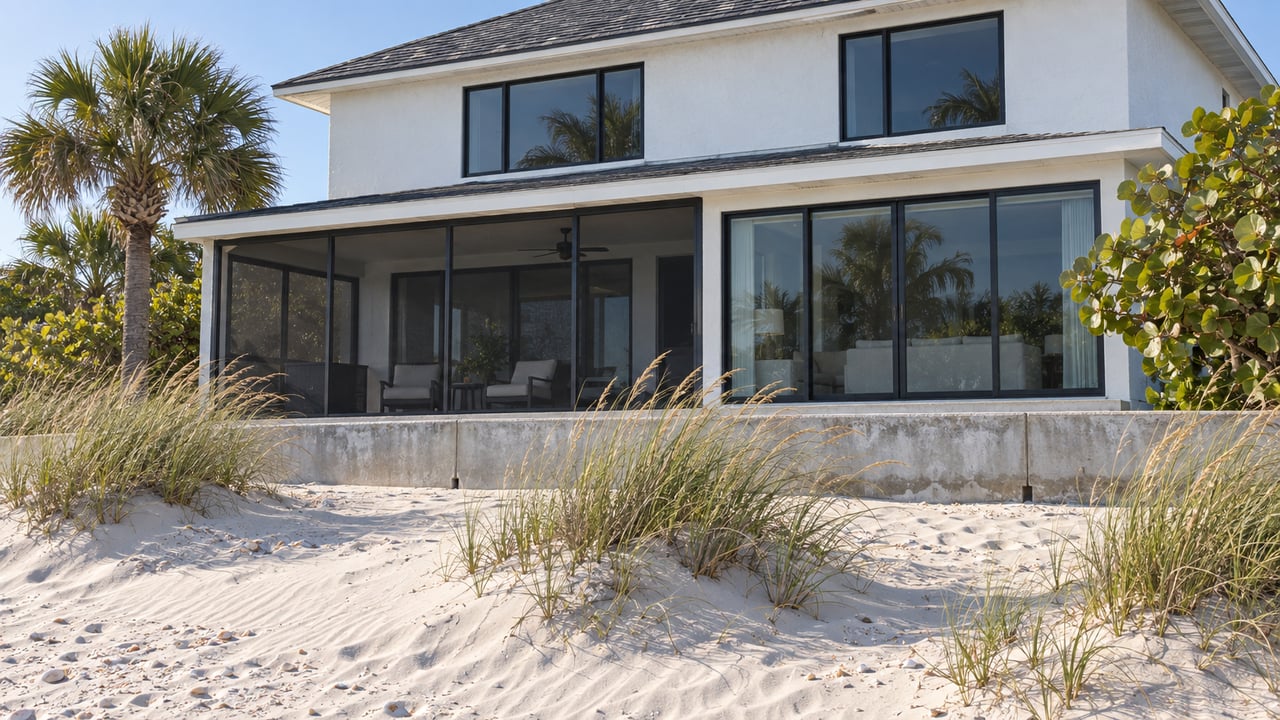
The state's own historical data on Highland Beach backs up why that number matters. Reporting from The Coastal Star, the regional paper that covers Highland Beach alongside Delray Beach, Boca Raton, Gulf Stream and Ocean Ridge, noted that despite a modest length of coastline, Highland Beach has consistently recorded more nests than the neighboring cities around it. A beach that could be crossed on foot in under an hour is out-competing shorelines that stretch for miles in either direction.
The Town's Layout Does Half the Work
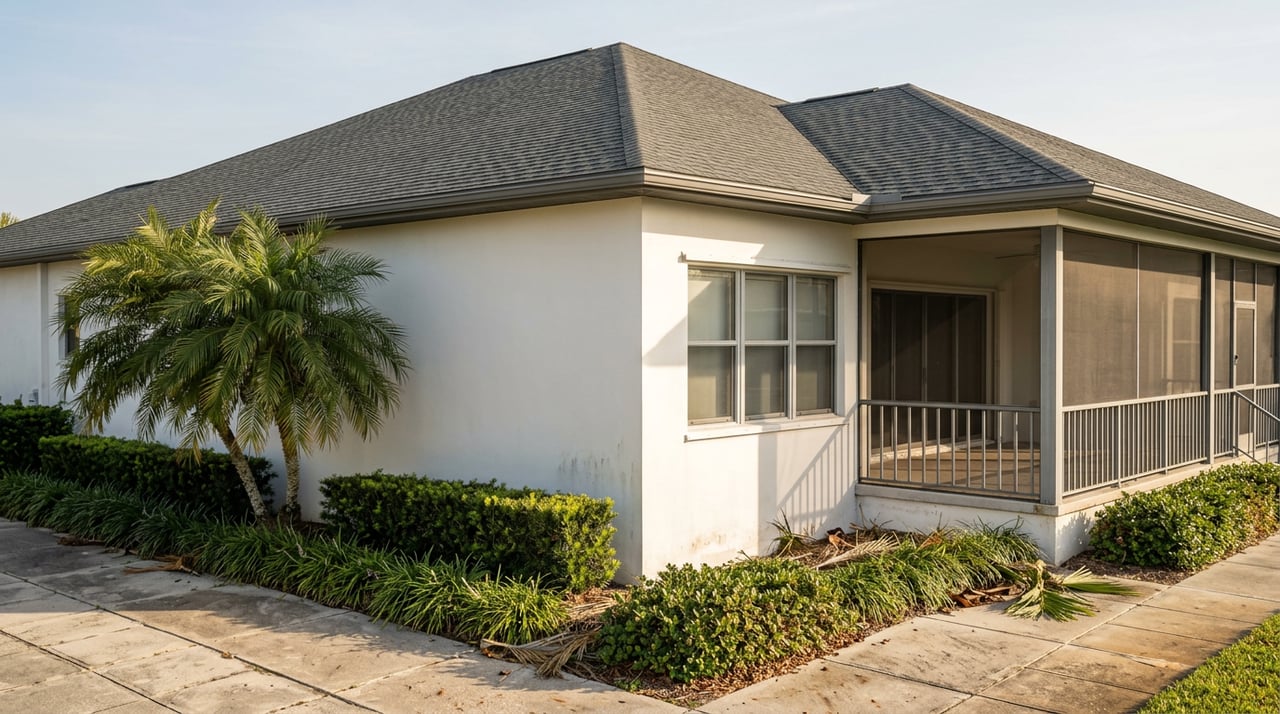
Part of the answer has nothing to do with ordinances. Highland Beach has no traffic light anywhere within its borders and only two businesses carry a Highland Beach address. The town's roughly 4,000 year-round residents live in a strip that is almost entirely residential, with condominiums and single-family homes lining A1A instead of storefronts. That absence of commercial signage, parking lot floodlights and streetlights means the baseline glow reaching the sand starts out dimmer than it would in most coastal towns before anyone flips a switch for turtle season.
The town sits squeezed between two of the brighter commercial corridors in the region, Atlantic Avenue to the north and Mizner Park to the south, both known for restaurant rows and evening foot traffic. Highland Beach residents drive to one or the other for dinner because their own town doesn't have much dining of its own to offer. That's a lifestyle fact for anyone who lives there. It's also, less obviously, a conservation fact: the light pollution that would otherwise wash out a nesting beach gets absorbed by Delray and Boca instead, leaving Highland Beach's own stretch of sand comparatively dark even before Ordinance 554 kicks in every March.
Why the 2023 Rewrite Mattered More Than the Number Suggests
A porch light left on is not the same problem as a parking lot fixture pointed at the dunes, and the pre-2023 code didn't distinguish between them. Commissioner John Shoemaker, who pushed for the update, had walked the beach himself and found lighting from the west side of A1A bright enough to pull hatchlings away from the shoreline, exactly the kind of source the old ordinance's single vague sentence couldn't address.
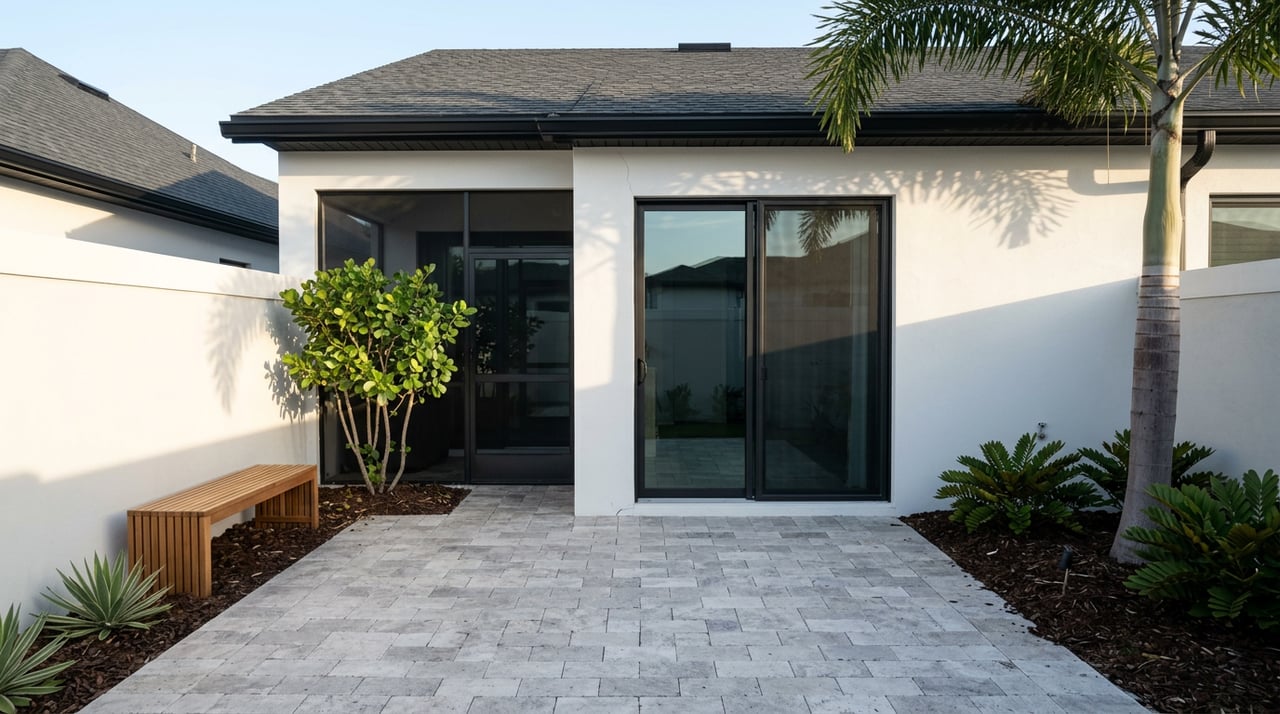
The rewritten code closed that gap by extending specific regulations to walkway lighting and other coastal-facing fixtures, not just the obvious beachfront floodlight. For a homeowner, that's the difference between a rule you could technically follow by unplugging one lamp and a rule that requires thinking through every fixture visible from the sand, from a pool light to a porch sconce to the glow coming through an unshaded window.
The town's Sea Turtle Program page states the stakes plainly: less than 1 in 1,000 sea turtles survive to adulthood. Hatchlings navigate toward the brightest light on the horizon, which on an undeveloped beach is the reflection of stars and moonlight on open water. Any artificial light bright enough to compete with that reflection can pull a nest's entire hatch inland instead of out to sea, and Highland Beach's dusk-to-dawn requirement exists specifically to remove that competition for the roughly eight months a year when it matters.
The Rule Has a Closing Date. The Nests Don't Always Follow It
Ordinance 554 lifts its lighting restrictions on October 31, but sea turtle eggs generally need close to two months underground before they hatch, a timeline the Florida Fish and Wildlife Conservation Commission's own guidance builds its lighting recommendations around. A nest laid on Highland Beach's sand in September, well within this year's active season, could still be incubating into early winter, after the calendar date that technically ends the town's dusk-to-dawn requirement.
In practice this means residents who assume the stakes marking a nest on their stretch of beach disappear the moment the ordinance lifts may be looking at a nest that hasn't finished its cycle yet. The town's own guidance still asks residents to avoid staked areas and turtle tracks regardless of the calendar, and to call the FWC's Wildlife Alert line at 888-404-3922 if they come across an injured or dead turtle at any time of year. The legal lighting requirement has a hard stop. The biology it's designed to protect does not always cooperate with that stop.
What This Adds Up To
Highland Beach's turtle nest count isn't an accident of geography and it isn't purely the product of a well-written ordinance either. It's the two working together: a town built with almost no commercial lighting to begin with, layered with a code that got specific about the fixtures the old rule never addressed, enforced during exactly the window when a beach's darkness matters most. The 1,248 nests reported last November are the clearest evidence that combination is producing something measurable, and the Natural Resources Preservation Advisory Board's November 4 meeting will show whether this year's count holds the same pattern.
For homeowners along A1A, the porch light rule that runs every March through October isn't background civic trivia. It's a code section with a number attached, tied to a nest count that gets reported to a town board by name, on a beach that keeps outperforming shorelines several times its length.
If you're curious how details like this factor into owning or maintaining a home along Highland Beach's stretch of coastline, Michelle Yales works with clients across this stretch of A1A and is happy to talk through what coastal ownership here actually involves. Schedule a free consultation anytime.